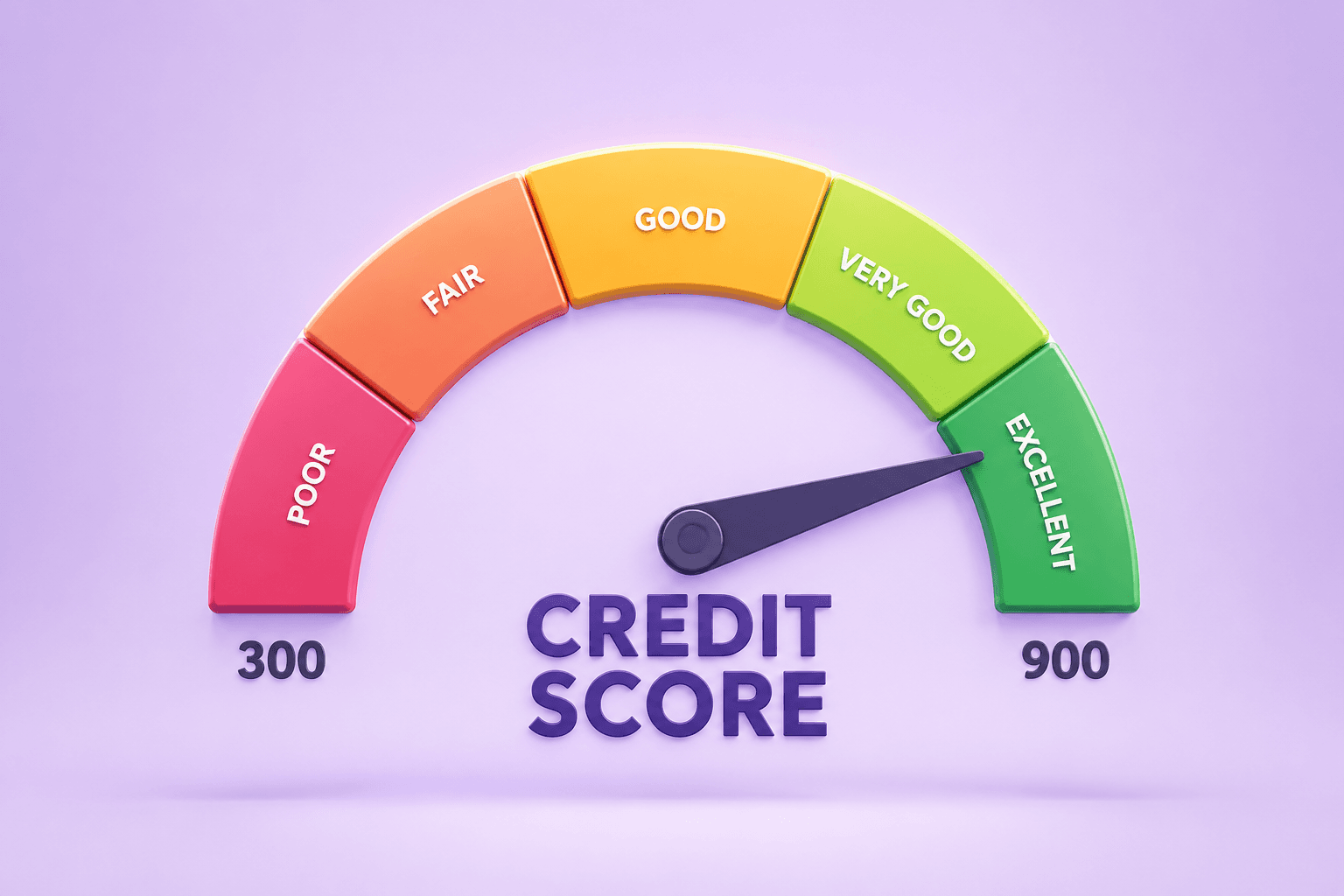
Understanding Credit Scores and Their Impact
When people hear the term credit score, they often assume it's just a number that matters only when applying for a loan. In reality, your credit score is much more than that - it's a reflection of your financial habits and how responsibly you've managed borrowed money over time.
Whether you're planning to buy a home, start a business, handle an unexpected expense, or apply for a personal loan, your credit score can influence the opportunities available to you. A healthy credit score can make borrowing easier and more affordable, while a poor one can create unnecessary financial hurdles.
The good news is that your credit score isn't fixed. With the right financial habits, you can build and maintain a strong credit profile that supports your future goals.
Let's explore understanding credit scores and their impact in a simple and practical way.
Why Your Credit Score Matters
Think of your credit score as your financial reputation.
Whenever you apply for a loan or another credit product, lenders want to know how likely you are to repay the money responsibly. Instead of relying only on your income, they also look at your past financial behaviour.
A strong credit score can help you:
- Improve your chances of loan approval.
- Qualify for better interest rates.
- Access higher borrowing limits.
- Build trust with financial institutions.
- Enjoy a smoother borrowing experience.
On the other hand, a low credit score may result in stricter lending conditions or fewer borrowing options.
How Credit Scores Reflect Financial Responsibility
Your credit score is built over time through your everyday financial decisions.
It's not about earning a high income or taking large loans. Instead, it's about showing that you manage your financial commitments consistently and responsibly.
Every payment you make, every credit account you manage, and every borrowing decision contributes to your overall credit profile.
Small, responsible actions repeated over time often have a greater impact than one major financial decision.
The Key Factors That Influence Your Credit Score
Several factors work together to determine your credit score.
Timely Payments
One of the most important habits is paying your financial obligations on or before their due dates.
Consistently making payments on time demonstrates reliability and strengthens your credit history over the long term.
Credit Utilization
Credit utilization refers to how much of your available credit you're using.
Using only a reasonable portion of your available credit shows lenders that you aren't overly dependent on borrowed money.
Maintaining balanced credit usage is generally viewed as a positive financial habit.
Length of Credit History
A longer credit history provides lenders with a clearer picture of your financial behaviour.
Keeping older credit accounts active, when appropriate, can contribute positively to your overall credit profile by demonstrating long-term financial stability.
Credit Mix
Managing different types of credit responsibly can also strengthen your financial profile.
A balanced mix of credit products, handled wisely, indicates that you can manage different borrowing responsibilities effectively.
New Credit Applications
Applying for several loans or credit products within a short period may raise concerns for lenders.
It's always better to apply thoughtfully after researching your options rather than submitting multiple applications at once.
The Real Impact of a Good Credit Score
A healthy credit score can make a noticeable difference throughout your financial journey.
Borrowers with stronger credit profiles often benefit from:
- Faster approval processes.
- Better borrowing terms.
- Lower overall borrowing costs.
- Greater financial flexibility.
- Increased confidence when applying for future credit.
These advantages can become even more valuable as your financial needs grow over time.
Everyday Habits That Build a Strong Credit Score
Improving your credit score doesn't require complicated strategies.
It starts with simple, consistent habits like:
- Paying all financial commitments on time.
- Keeping your credit usage under control.
- Reviewing your credit report regularly.
- Borrowing only when necessary.
- Avoiding frequent credit applications.
- Maintaining accurate financial records.
Over time, these habits create a strong financial foundation that supports future borrowing opportunities.
Common Mistakes That Can Lower Your Credit Score
Many people unknowingly damage their credit score through everyday financial decisions.
Some common mistakes include:
- Missing payment deadlines.
- Using most of the available credit limit.
- Applying for multiple loans in a short period.
- Ignoring errors in credit reports.
- Closing older credit accounts without understanding the impact.
- Borrowing beyond your financial capacity.
Avoiding these mistakes can help protect the credit profile you've worked hard to build.
Building Financial Confidence Over Time
Your credit score isn't designed to judge your past - it's meant to reflect your current financial behavior.
Even if your score isn't where you'd like it to be today, every responsible financial decision you make can help improve it over time.
Building a strong credit profile is a journey, not a race. The small choices you make today can create bigger financial opportunities tomorrow.
Whether you're planning to achieve a personal milestone, grow your business, or simply enjoy greater financial peace of mind, maintaining a healthy credit score is an investment in your future.
Final Thoughts
Understanding credit scores and their impact is one of the most important steps toward becoming a confident and responsible borrower.
Your credit score influences far more than loan approvals—it reflects your financial discipline, helps lenders assess your reliability, and can affect the borrowing opportunities available to you.
By practicing responsible financial habits, making timely payments, and managing credit wisely, you can build a strong credit profile that supports your goals for years to come.
Remember, improving your credit score doesn't happen overnight. It's built through consistency, patience, and smart financial decisions. Every positive step you take today brings you closer to a stronger financial future.
Frequently Asked Questions
What is a credit score?
A credit score is a numerical representation of your creditworthiness based on your borrowing and repayment history. Lenders use it to assess the risk of lending money.
Why is a good credit score important?
A good credit score can improve your chances of loan approval, help you access better borrowing terms, and make it easier to qualify for various financial products.
Can I improve my credit score over time?
Yes. Consistently making payments on time, managing your credit responsibly, and avoiding unnecessary borrowing can gradually improve your credit score.
Does applying for multiple loans affect my credit score?
Frequent loan applications within a short period may lead to multiple credit inquiries, which can temporarily affect your credit profile.
How often should I check my credit report?
Reviewing your credit report regularly helps you monitor your financial health, identify errors, and take corrective action if needed.